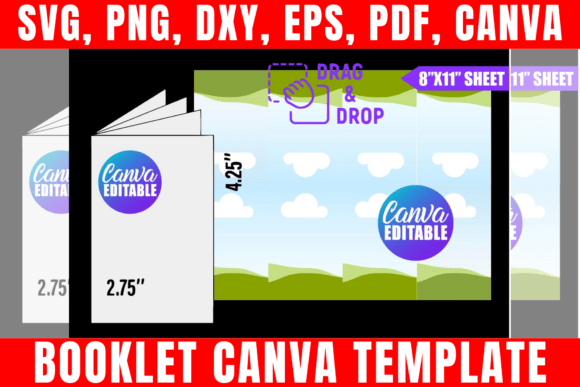
Canva Booklet Graphics & Print Templates Review
First Impression and Brand Personality
Opening this Booklet Canva Editable Canva Template inside Canva immediately felt like walking into a small creative studio where everything is intentionally playful and approachable. The layout is structured without being rigid, and the visual language leans toward a friendly, handmade, and softly whimsical mood. It does not try to be corporate, sterile, or overly polished. Instead, it feels like something a children's product brand, a handmade toy shop, a local bakery, or a boutique stationery store would use to surprise their customers. The design invites touch, curiosity, and interaction. That is a powerful emotional signal for any small business trying to build genuine connection through print templates and physical brand materials.
For a brand designer, the first question is always what personality this graphics asset communicates before a single word is read. This template suggests warmth, creativity, and a gentle sense of discovery. It would feel right at home inside a kraft paper package from a handmade soap brand, tucked into a bakery box as a thank-you surprise, or handed out at a florist's counter during a seasonal campaign. The mood is soft, slightly nostalgic, and quietly celebratory. It does not shout for attention. It earns it through charm. That makes it particularly suitable for businesses where emotional connection and customer experience are the real differentiators, not just the product itself.
How This Template Shapes Brand Perception
When a small business owner asks me whether a design asset is worth integrating into their branding toolkit, I always look at perception before practicality. This Canva Editable Booklet template carries a specific visual promise. It tells the customer that the brand cares about the unboxing moment, that the experience extends beyond the transaction, and that there is a human hand behind the product. In a market flooded with generic packaging and impersonal digital ads, a small printed booklet with custom coloring pages or a foldable story element changes the entire emotional temperature of the interaction.
For a local business, especially one selling physical products, this kind of detail can shift how customers talk about the brand. They do not just share a photo of the candle or the cookies. They share the little booklet that came with it. They mention the surprise. They tag the brand. That organic word-of-mouth impact is difficult to achieve with standard labels or business cards alone. This template, used thoughtfully, becomes a quiet ambassador for the brand's personality. It supports stronger first impression, better product recognition, and more consistent brand identity without requiring a full design team.
Practical Packaging and Promotional Applications
I tested this DIY Printable Mini Coloring Book template across several real-world scenarios that my clients frequently face. The most obvious application is as a packaging insert for handmade goods. A children's clothing boutique could slip a folded coloring booklet into each online order, turning a simple package into a memorable experience for both the child and the parent. A small bakery could include a seasonal mini booklet with cookie-themed illustrations for kids to color at the table. A candle brand launching a holiday collection could use the foldable format as a scent storybook that doubles as a keepsake.
Beyond packaging, the template works well for promotional material in physical retail settings. A florist could print a stack of these booklets for a Mother's Day weekend promotion, customizing the pages with floral illustrations and a simple thank-you message. A handmade soap business could use it as an educational insert explaining natural ingredients in a playful visual format. A coffee shop could create a mini coloring book featuring local landmarks and offer it to families during weekend brunch hours. In each case, the Fold Book Template structure makes it easy to produce a tangible, shareable piece of brand communication that feels more generous than a flyer and more personal than a social media post.
Social Media and Digital Marketing Integration
One of the less obvious but highly effective uses of this Canva editable asset is in social media graphics and digital marketing. A brand can photograph the printed booklet beside their product, creating lifestyle content that feels authentic and editorial. Flat lay images with the booklet, a coffee cup, and the product itself tell a richer brand story than product-only shots. The template pages can also be repurposed as individual graphics for Instagram Stories, Pinterest pins, or email newsletter headers. Because the design is fully editable inside Canva, brand colors, fonts, and logo placement can be adjusted to maintain visual hierarchy and brand consistency across every channel.
For marketing visuals and promotional ads, the booklet's interior pages can be extracted and used as decorative elements, background patterns, or accent graphics. A local business running a seasonal campaign can adapt the template's illustrations for website banners, digital flyers, or even printed posters. The flexibility of a printable design that also works digitally is a major advantage for small teams with limited design resources. It stretches the value of a single graphic design asset across multiple touchpoints without requiring constant new content creation.
Where This Template Performs Best
After working through multiple mockups and application scenarios, I can confidently say this Booklet Template shines brightest in contexts where the brand voice is warm, personal, and creative. It performs exceptionally well for product labels, packaging accents, and boutique visuals that benefit from a handcrafted feel. The template supports better shelf appeal when used as a belly band or wrap element that includes a small interactive component. It also excels as a thank-you card alternative, offering more substance than a simple note while still feeling intimate.
Businesses with a strong focus on children's products, handmade goods, artisanal food, seasonal gift items, and experience-driven retail will find the most natural fit. The template's design language aligns with brands that prioritize storytelling, sensory experience, and customer delight over sleek minimalism or corporate efficiency. For a small business branding project where personality is the primary competitive advantage, this asset adds genuine value.
Where Caution Is Needed
No design asset is universally appropriate, and this one is no exception. I would advise caution when using this Custom Colouring Book for Kids template for formal corporate branding, luxury minimalist packaging, or highly technical product labels. The playful, illustrative style can feel out of place on a premium skincare serum bottle with a clean white label and serif typography. It may also compete with important information on crowded product packaging, ingredient-heavy layouts, or legal information areas where clarity and legibility must take priority over decorative elements.
Additionally, very small labels or tiny hang tags may not provide enough physical space for the booklet format to work effectively. The foldable structure requires a certain minimum size to remain functional and readable. I recommend testing the template on real packaging mockups at actual print dimensions before committing to a production run. What looks charming on screen can become illegible at two inches wide. Always preview at scale, check low-contrast backgrounds, and ensure the design does not interfere with mandatory product information or barcode placement.
Brand Designer Notes and Technical Considerations
From a professional design perspective, there are several practical checks every brand owner should run before using this graphics asset in a commercial project. First, test it on real packaging mockups. Place the booklet design onto a product box, a bag, or a physical label template to see how it interacts with the surrounding materials, colors, and textures. A design that looks floating and beautiful on a white screen may behave differently against kraft paper, glass, or textured fabric.
Second, check black and white usage. Many small businesses print packaging inserts on a single-color budget, and the template's illustrations must hold up without full-color support. If the linework becomes muddy or the visual hierarchy collapses in grayscale, the design may need adjustment before production. Third, test it with brand colors. The editable nature of the Canva template allows for color customization, but not every palette translates well to the illustration style. Some hues may compete with the linework or reduce the friendly warmth that makes the template effective in the first place.
Fourth, compare it with competitor packaging. Look at what other brands in your category are doing with their unboxing experience and printed materials. The goal is not to copy but to differentiate. This template offers a distinct interactive element that many competitors may overlook, giving an early adopter a meaningful advantage. Fifth, check print quality with a sample run before ordering hundreds of copies. The paper stock, ink type, and folding precision all affect the final impression. A poorly printed booklet can damage brand perception more than having no booklet at all.
Typography and Font Pairing
Typography plays a critical role in how this print templates asset performs. I tested the booklet layout beside a serif font, a sans serif font, a script font, a handwritten font, and a display font to understand the range of brand personalities it can support. The template's natural illustrative style pairs beautifully with a rounded sans serif for a modern children's brand, or with a gentle handwritten script for a handmade soap label. A serif font introduces a slightly more traditional, storybook feel that works well for bakeries and heritage brands. A display font can push the design toward a bolder, more graphic identity, but must be used sparingly to avoid overwhelming the delicate illustrations.
I recommend keeping the typography intentionally simple inside the booklet pages. The illustrations should lead, and the text should support. Overly decorative fonts competing with the artwork will create visual noise and reduce the professional branding effect. Let the template breathe. The negative space is part of its charm. When in doubt, choose a clean, legible font for body text and reserve any expressive typography for the cover or title page only.
Commercial Licensing and Client Work
One of the most important considerations for any commercial design project is licensing. Before using this Canva template for client work, business branding, or physical product sales, confirm the commercial license terms. Many creative marketplace assets include different tiers of usage rights, and what is permitted for personal projects may not extend to products sold in a retail environment. Read the license details carefully, especially regarding print run limits, resale of the template itself, and use in logo design or trademarked brand identity elements.
For designers working with local business clients, this is a non-negotiable step. The last thing any small brand needs is a licensing dispute after investing in printed materials and packaging production. If the license allows full commercial use, this template becomes a highly versatile design asset that can be adapted across multiple client projects, from product mockups to editorial design elements to digital product offerings. The ability to create a cohesive visual system from a single starting point is a significant efficiency gain for busy studios and freelance designers alike.
Final Practical Verdict
After spending concentrated time with this Booklet Canva Editable Canva Template, testing it on mockups, evaluating it against real business scenarios, and considering its strengths and limitations, I would recommend it as a strong supporting asset for small businesses that prioritize customer experience, emotional branding, and tactile marketing. It is not a primary logo or a standalone brand identity solution. It is a delightful, flexible, and commercially practical tool for extending brand presence into the physical unboxing moment, the retail counter, and the social media feed.
For the handmade business owner, the local boutique, the children's product brand, or the seasonal campaign planner, this template offers a smart way to create more polished marketing visuals, stronger shelf appeal, and a deeper emotional connection with customers. It turns a simple transaction into a small, memorable experience. And in a competitive local market, that tiny moment of delight can be the difference between a one-time buyer and a loyal brand advocate who tells everyone they know about the charming little booklet that came with their order.