500 Easter AI Prompts Bundle: Graphics & Illustrations Review
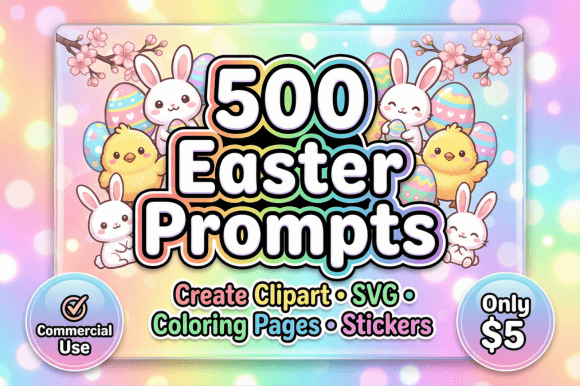
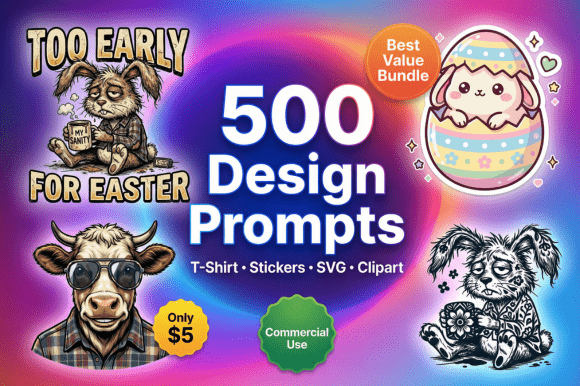
As a brand designer, I’m always hunting for tools that can sharpen a seasonal campaign without diluting the hard work I’ve already put into a client’s identity. When I first opened the 500 Easter AI Prompts Bundle, I wasn’t expecting a finished graphic. I was expecting a springboard. And after a week of testing, tweaking, and dropping generated artwork into real packaging mockups, I can say this: it’s a remarkably efficient creative engine for any small business owner who needs Easter‑themed illustrations and graphics that feel handcrafted, not generic.
Unboxing the 500 Easter AI Prompts Bundle
The file is lean—just a well‑organized list of prompts, categorized by style, subject, and composition. No clipart, no PNGs. The beauty is that you bring your own AI image generator and the prompts do the heavy lifting. I ran a batch through a popular commercial‑friendly tool and immediately got a mix of watercolour bunnies, botanical egg wreaths, pastoral spring scenes, and delicate brush‑lettered phrases. The sheer variety of graphic design asset styles shocked me. Some prompts lean toward a soft, French‑country storefront look; others generate crisp, flat‑vector icons perfect for modern product labels.
The first impression is playful yet refined. Not the kind of saccharine clipart you’d find in a dusty craft store, but rather a curated sensibility that would sit comfortably beside a boutique candle brand, a handmade soap line, or a children’s clothing label. The mood sits at the intersection of festive, feminine, and organic—ideal for businesses that want to signal warmth, renewal, and handcrafted care.
The Mood and Texture of Spring
When I started generating illustrations from the 500 Easter AI Prompts Bundle, a consistent emotional palette emerged. Soft pastels dominated: sage green, buttercream, robin’s egg blue, and whisper‑pink. But there were also prompts that pushed into richer territory—antique gold accents, deep chocolate browns, and ink‑like linework—giving the set enough range to suit a rustic farmstand brand just as easily as a polished bakery.
The textures felt deliberate. Several prompts returned artwork with a subtle paper grain or watercolour bleed, which translates beautifully into packaging design for artisan goods. Others delivered a clean, scandi‑flat style that would work on a modern coffee shop’s loyalty card. This isn’t a one‑note collection. It’s more like a spring moodboard that you can dial up or down depending on your brand’s personality.
A Real Project: Honey & Thyme Bakehouse
To test the bundle in a real‑world scenario, I imagined a local bakery called Honey & Thyme Bakehouse—a small shop that sells hot cross buns, lavender shortbread, and seasonal tarts. They needed an Easter visual identity that could stretch across product labels, window flyers, and Instagram stories without looking like a mass‑produced template. I used the prompts to generate a family of hand‑drawn bunnies, a wreath of flowering thyme, and a few decorative egg motifs.
Easter Packaging That Tells a Story
For the hot cross bun boxes, I picked a watercolour carrot illustration paired with a soft cream background. The result, when dropped into a packaging mockup, felt like a small‑batch bakery that values charm over volume. The illustration became the hero of the product label, while the brand’s existing logo sat cleanly above it. I also printed the same graphic on a kraft paper thank‑you card, turning a simple transaction into a memorable unboxing moment.
For the sugar cookie bags, I used a more graphic, line‑art egg pattern generated from one of the prompt variations. It created a beautiful visual hierarchy—the pattern drew the eye without competing with the ingredient list. In small business branding, that kind of balance is gold. The illustration didn’t just decorate; it communicated the bakery’s attention to detail before a customer even took a bite.
Social Media and Promotional Graphics
The bakery’s social media manager used the same prompt‑generated illustrations to build a series of Easter countdown posts. A bunny silhouette inside a wreath worked perfectly as a canvas for daily specials. The social media graphics felt cohesive, cheerful, and unmistakably tied to the physical packaging—exactly the kind of consistent brand identity that builds customer trust over time.
Where These Illustrations Shine Brightest
After testing across multiple formats, I’d say the sweet spot for this 500 Easter AI Prompts Bundle lies in:
- Product labels and hang tags for food, candles, and handmade goods
- Packaging accents like belly bands, box toppers, and tissue paper patterns
- Hero graphics for website banners and seasonal landing pages
- Thank‑you cards and small printed inserts that elevate the unboxing experience
- Promotional flyers and in‑store signage for boutiques and florists
- Product mockups where a decorative illustration can make a digital preview feel tangible
The bundle is also a strong fit for printable design projects. A few prompts generated elegant Easter‑themed frames that could be used as menu inserts for a café or as price list backgrounds for a pop‑up market. With a little editing, many of the graphics can be converted to SVG or high‑resolution PNG files, ready for commercial printing.
Cautionary Edges for the Designer
No asset is flawless, and the 500 Easter AI Prompts Bundle does require a designer’s eye to avoid visual clutter. Here’s where I’d recommend restraint:
- Very small labels—intricate details can turn into mud at thumbnail size. Always test the generated illustration at 30% of the planned print size.
- Crowded packaging—if your product already has a lot of text or mandatory nutrition facts, let the illustration breathe as a background whisper, not a shout.
- Luxury minimalist brands—the playful, folksy style of many prompts won’t suit a sterile, high‑fashion skincare line. Pick prompts that lean toward delicate linework or botanicals if you’re going for elegance.
- Legal and ingredient areas—never use decorative graphics where they might obscure critical information.
I also noticed that some prompts produce images with a very soft, almost hazy contrast. On a white bag, that can look ethereal. On a dark‑coloured label, it can vanish. Always check the illustration on the intended background before committing to a print run.
Design Workflow: From Prompt to Printed Product
To make the 500 Easter AI Prompts Bundle truly work for professional branding, I follow a tight workflow that any small business owner or marketer can adopt:
- Generate multiple variations from the same prompt family. This gives you a cohesive set of graphics that share a visual DNA.
- Pick the strongest silhouette—the one that reads clearly even in black and white. That’s your hero.
- Refine the colour palette in a design tool. Replace any generated colours that clash with the brand’s existing palette.
- Test on a real packaging mockup. I use simple paper bag and box templates to see how the illustration interacts with the brand logo, typography, and negative space.
- Check PNG transparency if you’re layering it over a pattern or coloured background. Not all AI tools output clean transparency, so you may need to remove the background manually.
- Convert to vector if needed. For crisp print work, I’ll often trace the generated illustration in Illustrator to create a fully editable SVG design. This step also makes it easy to resize without losing quality.
Color, Contrast, and Font Pairing
One of the most revealing tests is to place the illustration beside different font styles. I tried a few of the Easter graphics next to a serif font, a clean sans‑serif, a flowing script, and a playful handwritten typeface. The 500 Easter AI Prompts Bundle illustrations paired beautifully with soft serifs and light handwritten scripts, which reinforced the handmade business feel. With a bold sans‑serif, the contrast made the graphic feel more modern and boutique‑like. It’s a versatile asset, but you do need to make intentional pairing choices to keep the visual hierarchy clear.
Licensing and Commercial Safety
Since the prompts are just that—prompts—the final copyright situation depends on the AI image generator you use. I always read the generator’s terms to confirm that the output can be used for commercial design and client work. Many platforms now offer a commercial license if you’re a paid subscriber, but it’s your responsibility to check. The novelty of the 500 Easter AI Prompts Bundle is that it gives you the creative direction, but you retain full control over the final graphic. That’s a smart setup for a designer who wants to avoid copyright headaches while still delivering original illustrations to a local business.
The Verdict on This Seasonal Toolkit
After a week of using the 500 Easter AI Prompts Bundle for a fictional bakery project, I’m convinced it’s a genuine time‑saving tool for small business branding. The prompts are thoughtfully written, and the resulting graphics can elevate everything from a product label to a full Easter campaign. For a local business owner who doesn’t have a huge design budget, or a freelance designer juggling multiple seasonal clients, this bundle can slice hours off the ideation phase.
It’s not a magic button. The best results come when you treat the prompts as a starting point and then shape the output with a designer’s eye. But if you’re willing to test, refine, and mockup, the 500 Easter AI Prompts Bundle delivers a spring‑fresh, cohesive, and highly usable set of illustrations that can make a small brand feel deeply considered and professionally wrapped. For bakeries, florists, candle makers, children’s boutiques, and any business that wants to wrap its products in the warmth of Easter, it’s a resource worth keeping close.